Bodyline Dents: Why They’re Harder to Fix — and How Dent Remover Gets Them Right
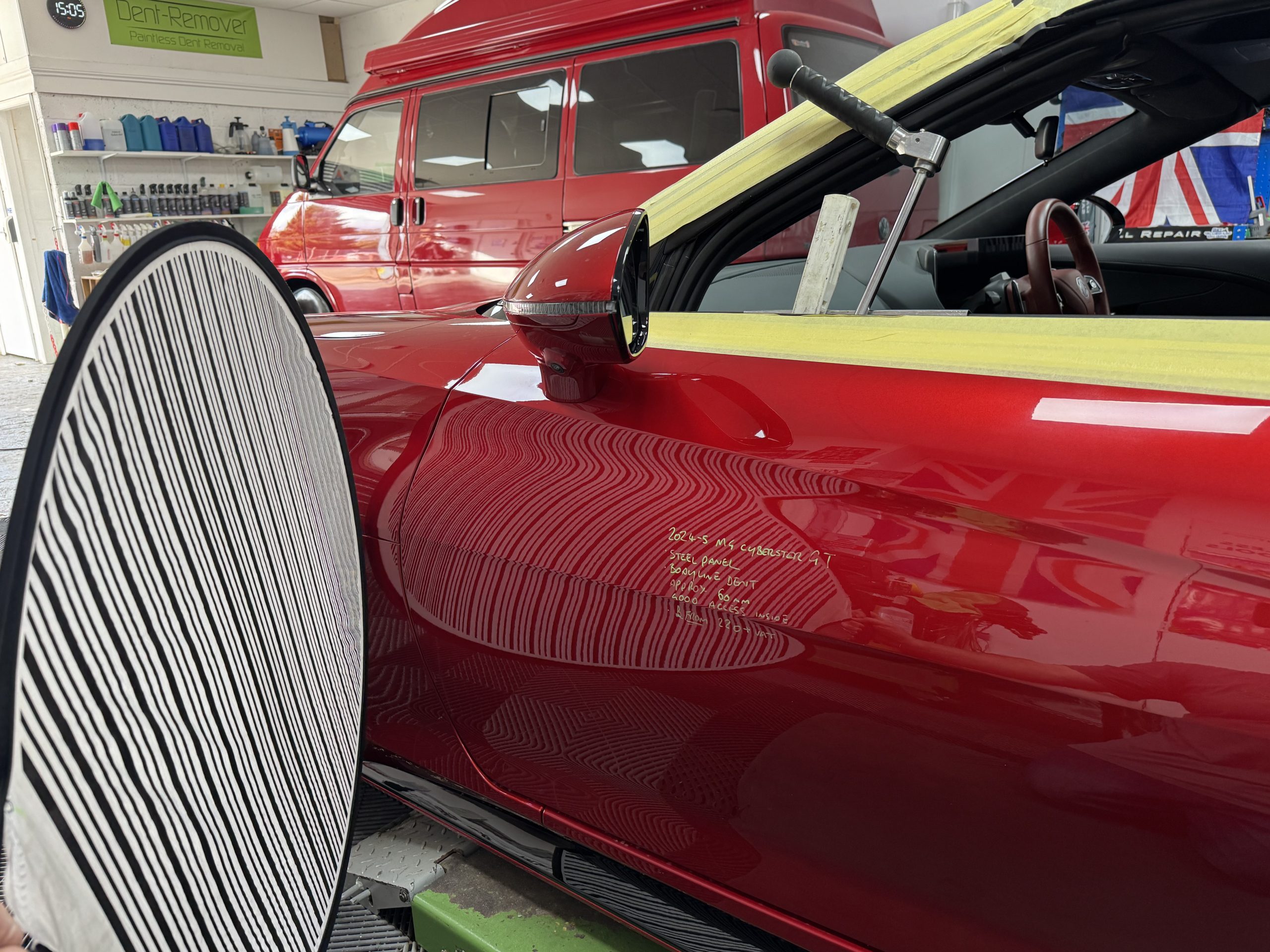
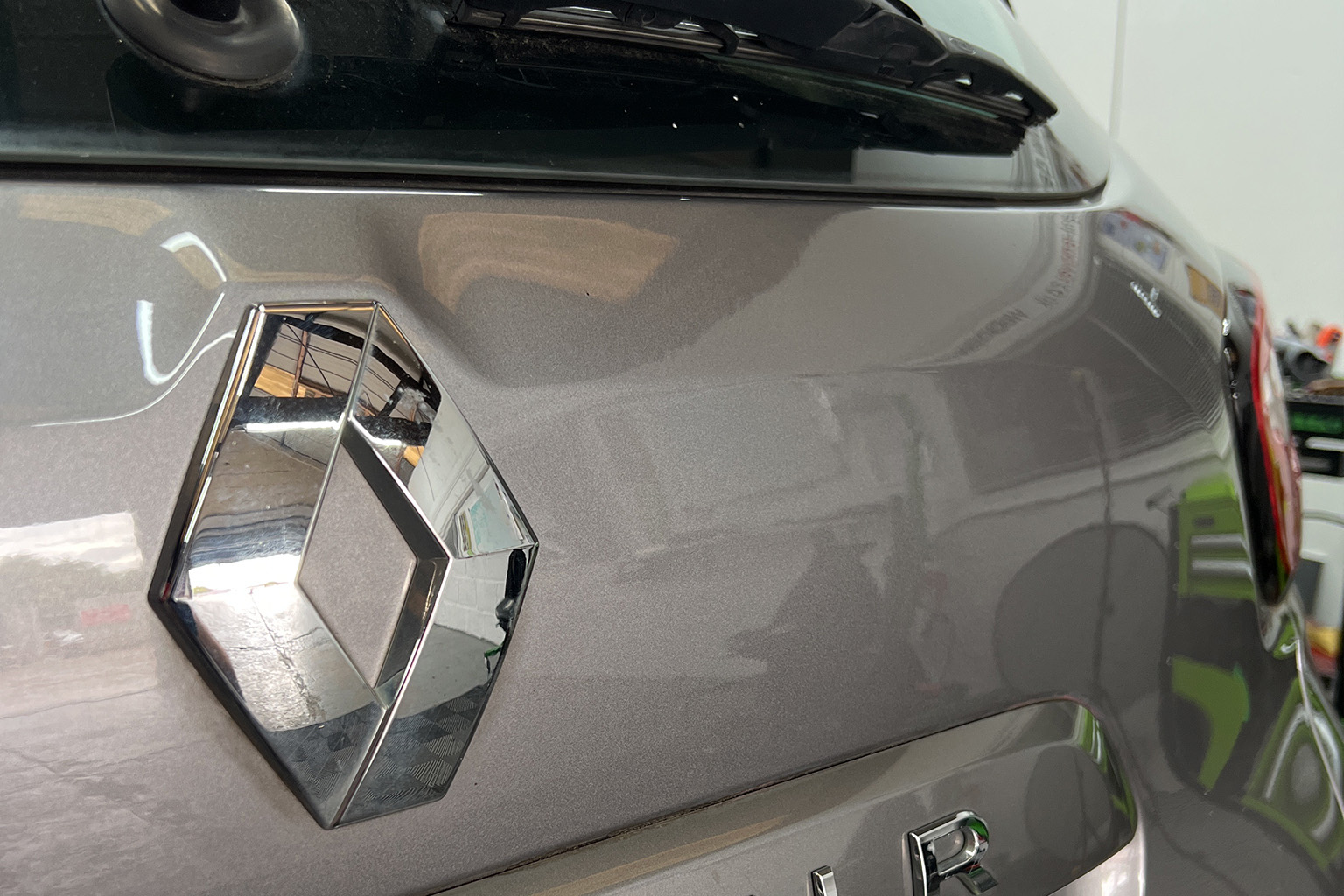
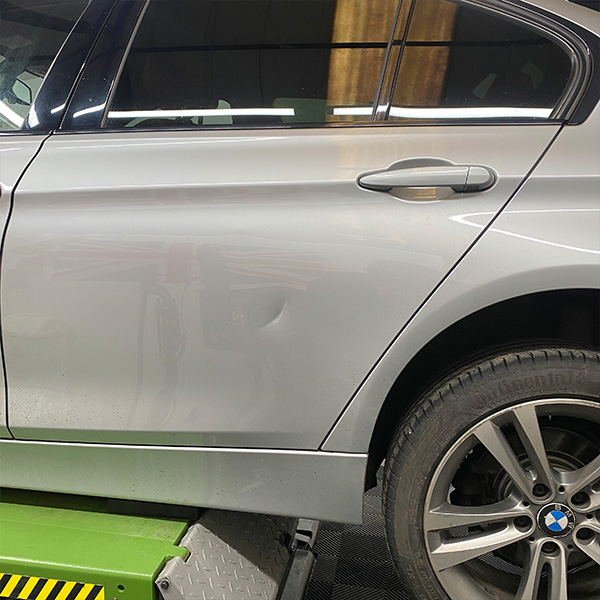
Not all dents are created equal. A dent sitting on a flat panel is usually the most straightforward repair there is. A dent that crosses a bodyline — the crease that runs along a car’s door, wing or bumper — is a different challenge altogether, because that line has to come back perfectly straight and true for the repair to look invisible.
Bodyline damage demands more time, the right tools, and a level of precision that comes from experience. As a Master PDR Trainer and competition judge with over 20 years in the trade, Martin Sadler treats bodyline repairs as one of his specialist areas rather than a job to avoid.
If you’ve been told a bodyline dent ‘can’t really be fixed without it showing,’ it’s worth getting a second opinion before booking a respray. In many cases, it can be restored to as-new condition without touching the original paint at all.
Get a free estimate for your dent — send a photo or video via WhatsApp and we’ll give you a realistic price before you book.
Common Questions
Answers to the questions we hear most often about this topic.
Q: Can bodyline dents be fixed without it showing?
Yes — bodyline dents are tougher to repair because the crease has to line up perfectly, but they can be restored to as-new condition with the right skill and tools. This is one of Dent Remover’s specialist areas.
Q: Can you repair very deep or stretched dents?
Deep, stretched dents fall into the complex/specialist category. They often need metal-shrinking techniques alongside traditional PDR tools and take more time, but are usually repairable provided the paint hasn’t been broken.
Q: Are aluminium panels repaired differently to steel?
Panel material is one of the key factors assessed before quoting, because aluminium and steel respond differently under PDR tools. This is factored into both the technique used and the price.