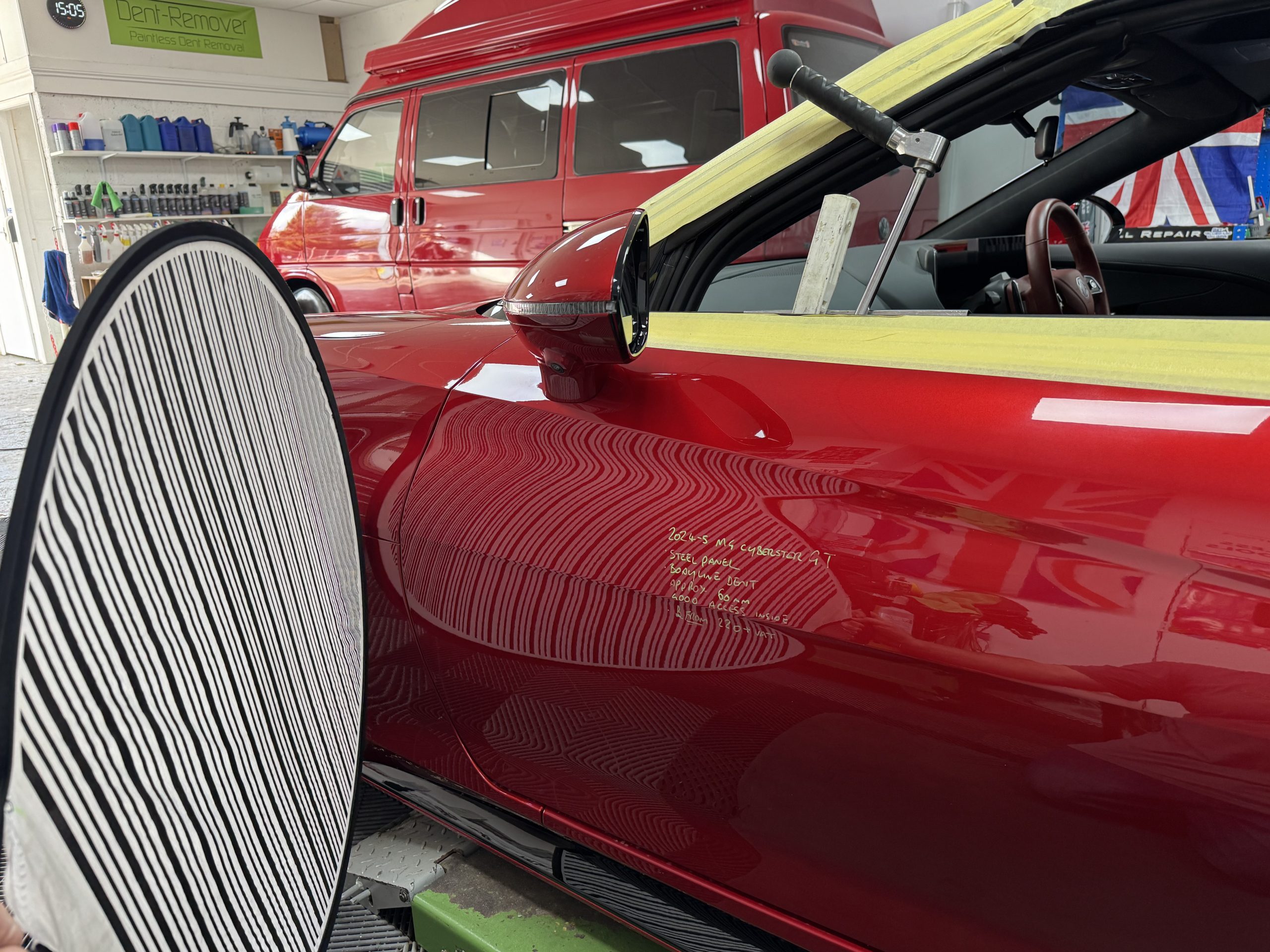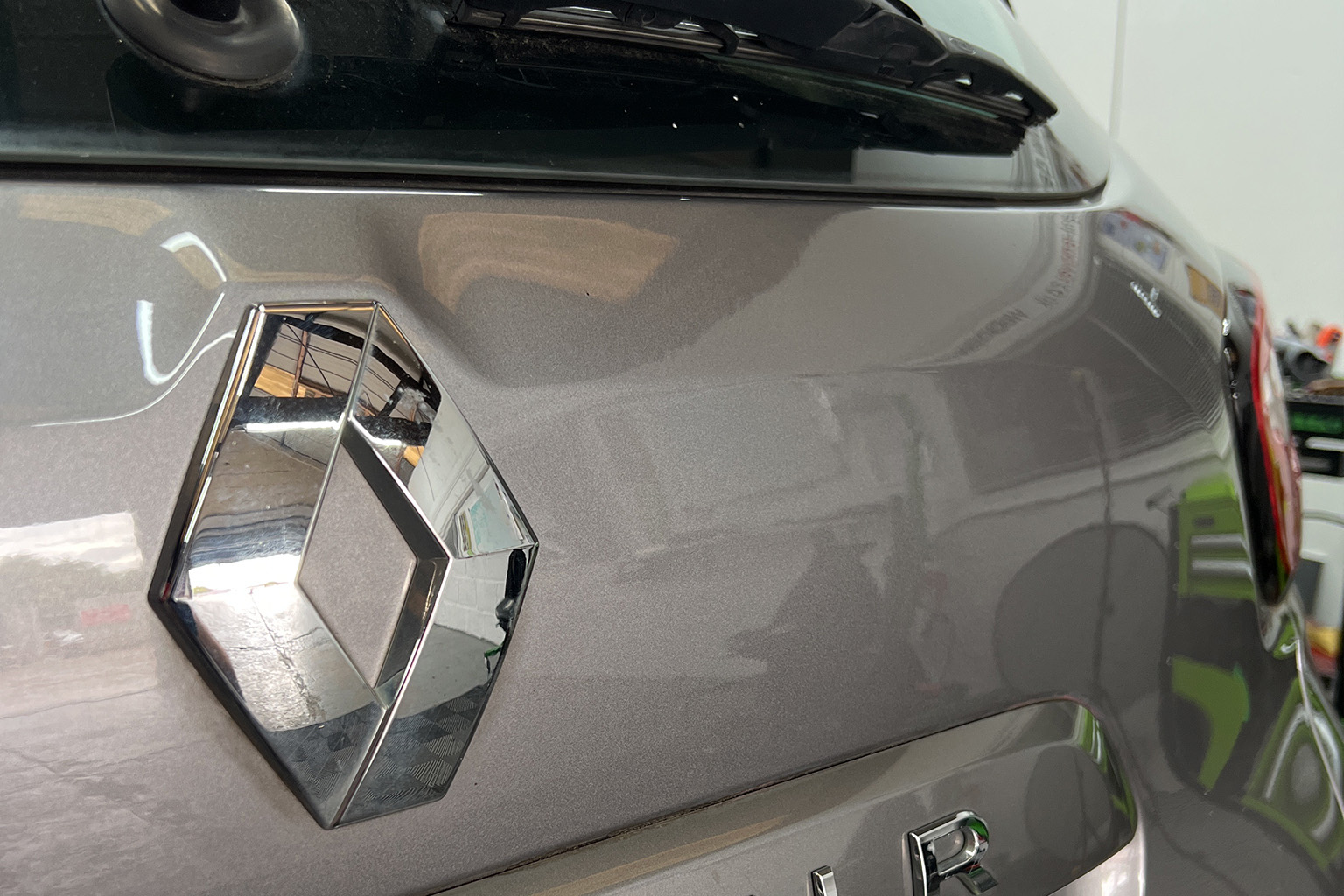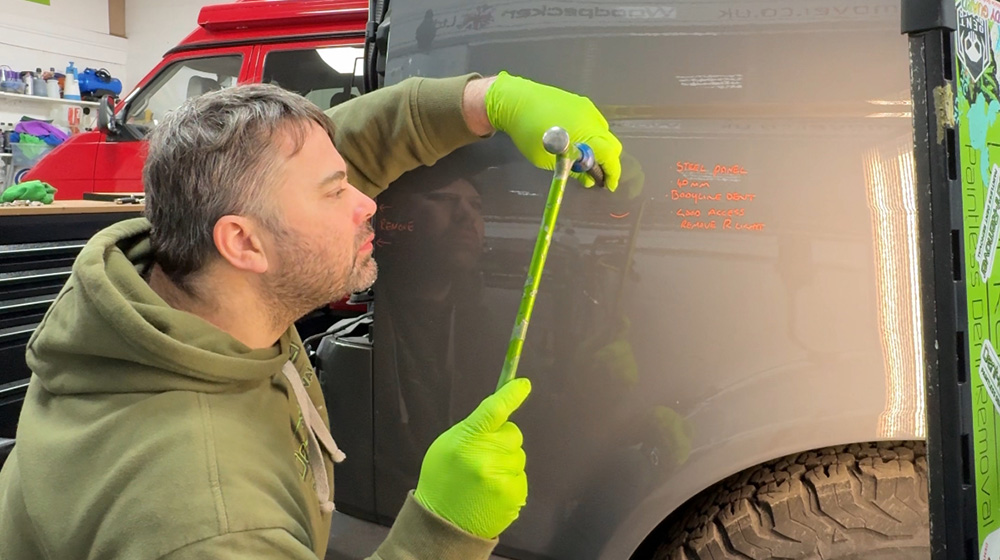
Should You Repair Dents Before Selling Your Car?
If you’re preparing a car for private sale, part-exchange at a dealership, or a valuation, it’s worth thinking carefully about dents before you put the car up. The short answer is: a PDR repair almost always pays for itself — and often pays back considerably more than it costs.
How Dents Affect Your Sale Price
Buyers — private or trade — use visible cosmetic damage as a negotiating tool. A dealer carrying out a part-exchange valuation will factor dents into their offer, and they’ll typically apply a larger discount than the actual repair cost because they need to cover the inconvenience and uncertainty, not just the bill. A private buyer will often use the same damage to negotiate a lower price, regardless of the actual repair cost involved.
The maths usually works in favour of repairing first. A door ding or parking dent that costs £90–£150 to repair via PDR might cost you £300–£500 in a reduced part-exchange valuation or a private sale negotiation. Getting the repair done beforehand removes that leverage entirely.
Why PDR is the Right Approach for Pre-Sale Repairs
The key advantage PDR has over a traditional bodyshop respray — particularly for a car you’re about to sell — is that it leaves no trace on a vehicle history check. A resprayed panel can show up on a paint-depth gauge, which some buyers and dealers use when assessing used cars. A paint-depth anomaly can suggest previous accident damage, even if the original dent was minor and the repair was excellent. PDR leaves no such trace because the factory paint is never touched.
This matters most for modern vehicles where buyers are more aware of vehicle history checks and digital service records. A car with its original factory paint intact on every panel is simply a better proposition than one with a panel that’s been resprayed, regardless of the quality of the respray.
Getting an Assessment Before You Decide
If you’re not sure whether a repair is worth doing before a sale, the best starting point is to get a realistic quote. Send a video of the damage via WhatsApp to Martin at Dent Remover — 07784 543932 — and you’ll have a price to weigh against what you think the dents might cost you at sale. In most cases, the decision makes itself.
Get a free estimate — send a photo or short video of your dent and we’ll give you a realistic price before you book.
Common Questions About Dents and Resale Value
Q: Does PDR affect my car’s resale value?
No — because PDR doesn’t involve fillers or repainting, your vehicle’s original factory finish is preserved, which is exactly what buyers and dealerships look for. A panel that has been resprayed can show up on paint-depth checks and vehicle history reports; a PDR repair does not.
Q: Does PDR show up on a vehicle history check?
No — because PDR doesn’t involve repainting or filler, there’s no repaint flag or paint-depth anomaly for a vehicle history or HPI-style check to pick up, unlike a traditional respray.
Q: Is it worth repairing dents before selling my car?
Yes, generally. Removing dents and dings before a sale or valuation tends to support a higher resale price, and because PDR keeps the factory paint intact, it doesn’t introduce the kind of repaint history that can put buyers off.
Q: Is paintless dent repair as good as a respray?
For the right kind of damage, PDR is generally a better outcome than a respray. It keeps your original factory paint, which means no risk of colour mismatch, no repaint showing up on a vehicle history check, and a finish that holds its value better than a panel that has been filled and resprayed.
See all 52 Dent Remover FAQs on the FAQ hub page.