How to Tell If Your Dent Can Be Fixed With PDR
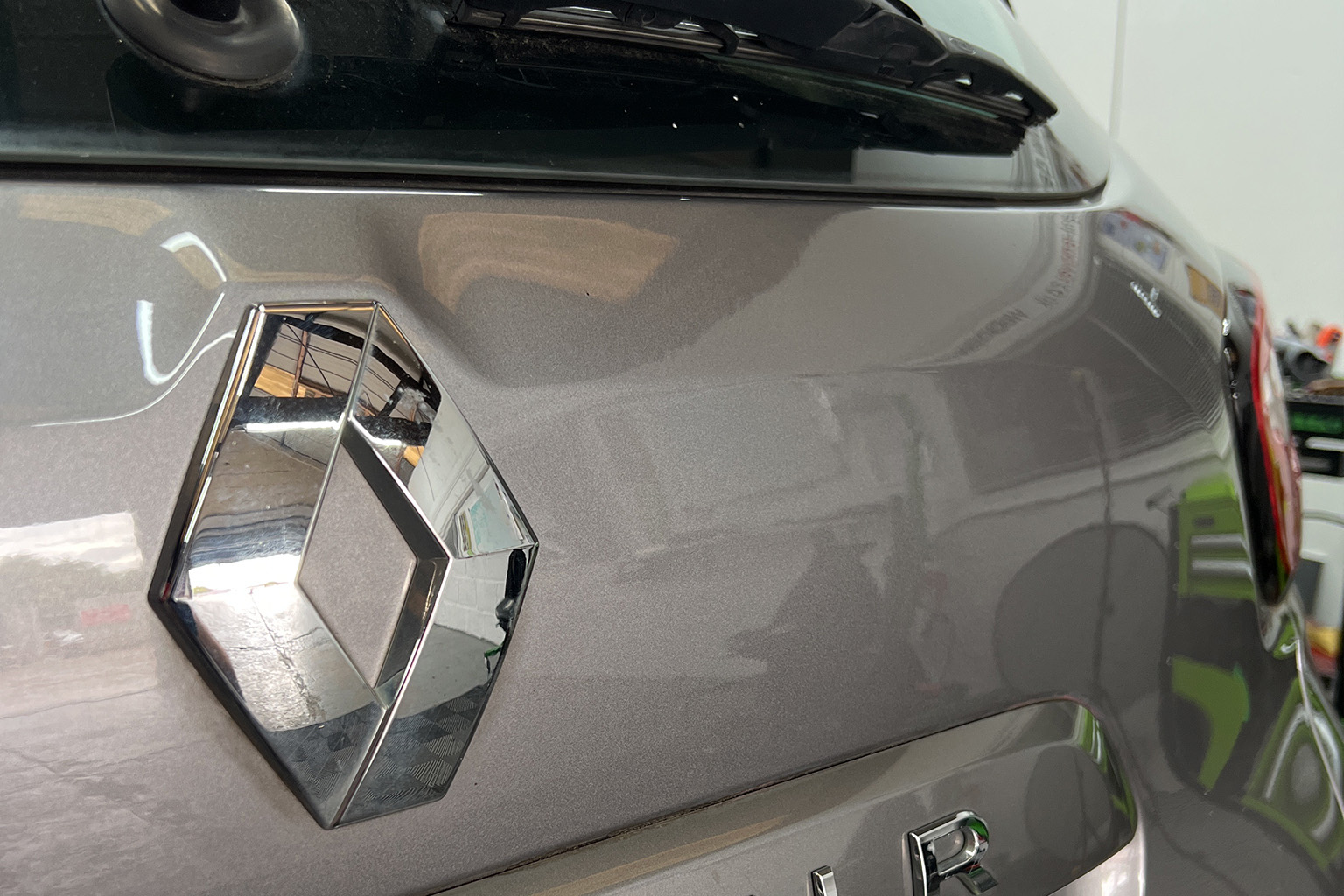
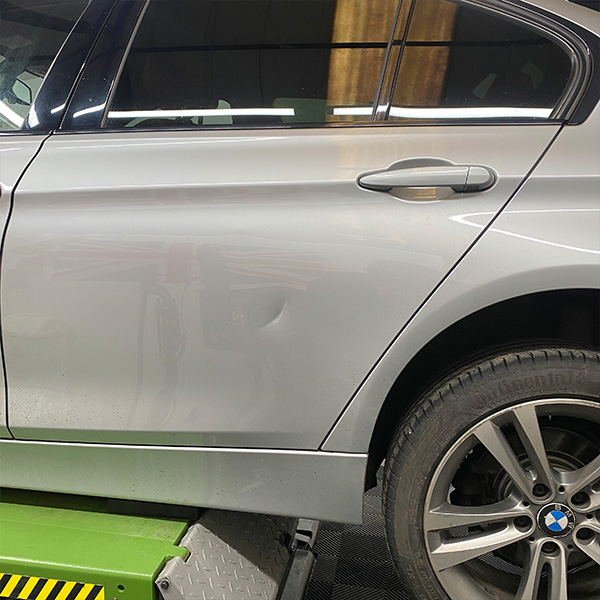
The short answer is: if the paint is unbroken and the dent can be accessed from behind the panel, there’s a very good chance it’s repairable with PDR. That covers the vast majority of everyday dents — door dings, car park damage, bird strikes, shopping trolley impacts, palm prints, and minor bumper dents.
What Makes a Good PDR Candidate?
Three factors determine whether a dent is suitable for PDR. First, the paint must be unbroken — PDR works on the metal, not the surface, so if the paint has cracked or chipped at the point of impact, a different approach will be needed for the paint damage. Second, the technician needs to be able to access the back of the panel — either through an existing hole or gap, or using a specialist glue-pull system for areas that can’t be reached conventionally. Third, the metal must not have been torn, stretched excessively, or structurally compromised.
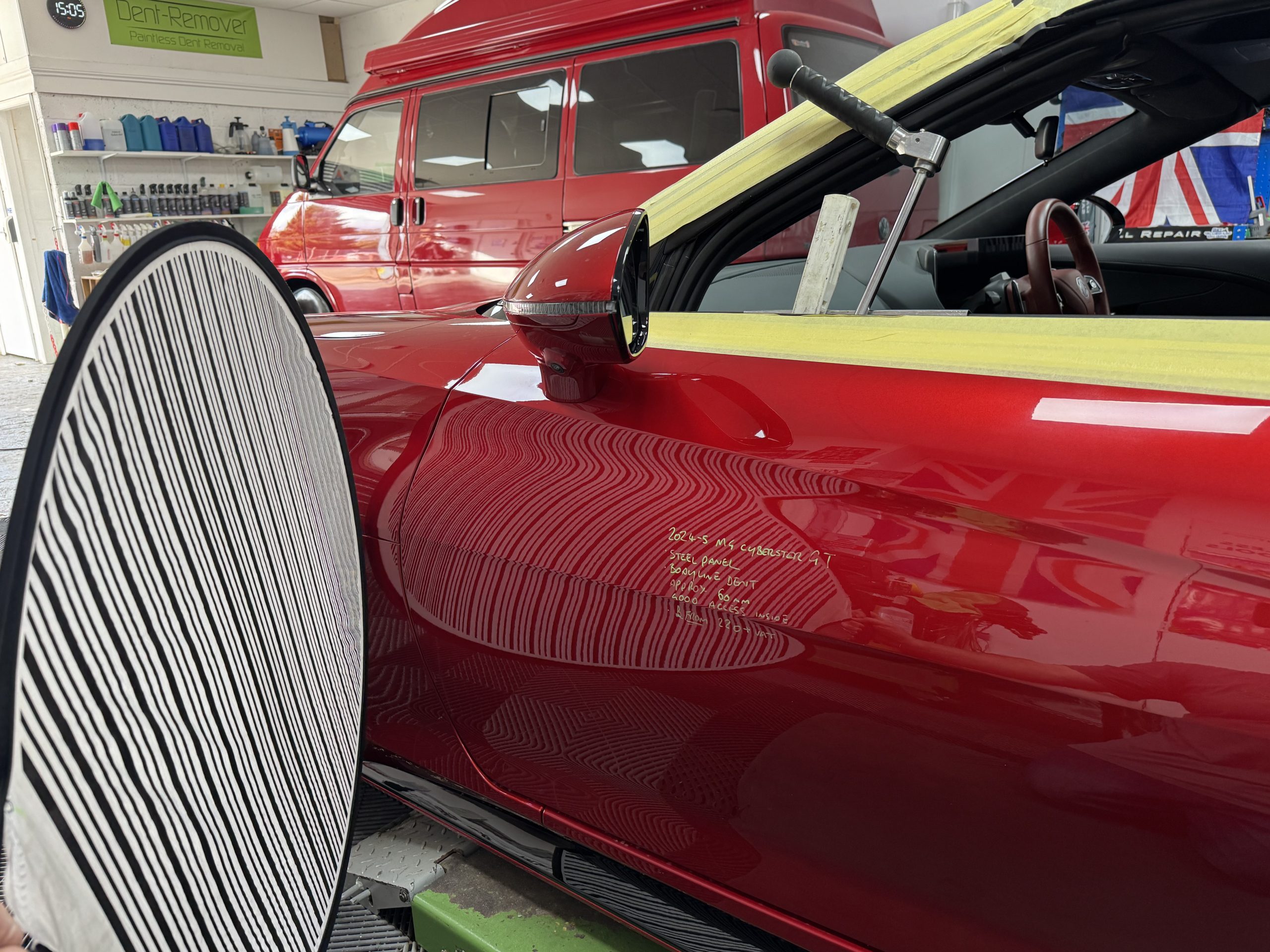
Within those boundaries, PDR can handle a much wider range of dents than many people expect — including dents on bodylines, large impacts, and creases that other technicians might advise can’t be done. It’s always worth getting a proper assessment before assuming a dent needs a full respray.
What Makes a Dent More Difficult?
Some dents are more technically demanding, without being outside the scope of PDR entirely. Bodyline dents — where the damage crosses the styling crease running along a door or panel — are harder because the line itself has to be restored to exactly the right profile, not just the surrounding metal. Very deep, sharp dents where the metal has been pushed in hard require more time and care, and there’s a higher chance of some very minor residual trace. Previously repaired panels are worth flagging: repainted panels don’t always flex the same way as factory paint, and this affects what’s possible.
A dent where the paint has cracked, or where the metal has been torn (typically from a significant collision rather than a parking impact), falls outside what PDR can fully address on its own. In those cases, Dent Remover will give you an honest assessment of what’s achievable rather than taking on a job that won’t deliver the result you’d expect.
The Best Way to Find Out
Send a short video — not just a photo — of the damage to Martin via WhatsApp on 07784 543932. Video captures the depth and light reflections that a still image often misses, and gives a much more accurate basis for a realistic initial assessment before you visit the workshop in Beverley for a full inspection and MTRX quote.
Get a free estimate — send a photo or short video of your dent and we’ll give you a realistic price before you book.
Common Questions About PDR Suitability
Q: What types of dents can be fixed with PDR?
Most dents can be repaired with PDR, from small pea-sized dings, medium dents the size of a tennis ball, up to large dents bigger than a football. Dents on body-lines and crease dents can also be repaired. The main factors are whether the paint has been broken and how accessible it is to reach the back of the panel.
Q: What if the dent has cracked the paint?
PDR relies on the paint surface being unbroken. If the paint itself has cracked or chipped at the dent site, a pure PDR repair may not fully restore the finish — a ‘tidy up’ repair can improve the dent shape, but a small touch-up or respray may still be needed for the paint itself.
Q: Can you repair very deep or stretched dents?
Deep, stretched dents fall into the complex/specialist category. They often need metal-shrinking techniques alongside traditional PDR tools and take more time, but are usually repairable provided the paint hasn’t been broken.
Q: What if a previous repair attempt has made the dent worse?
Poor previous PDR work is one of the factors Dent Remover specifically assesses during an inspection, since it can make a panel more difficult to finish correctly. Bring the car in for an evaluation and Martin will advise on the best way to put it right.
See all 52 Dent Remover FAQs on the FAQ hub page.